Murshidabad Silk
Silk weaving industry in West Bengal was mainly concentrated in Murshidabad and adjoining areas of Birbhum. The silk fabrics became famous as Murshidabad Silk.

Sericulture, an Agro-based Cottage Industry, is a traditional rural avocation in West Bengal providing employment and livelihood to more than 1 Lakh families who predominantly dwell in rural and semi urban areas.
Sericulture is also an activity where more than 60% of the workforce is women and consequently a large population of womenfolk reaps the benefit of various developmental schemes.
The immense potentiality of Sericulture in reconstructing rural economy and its labour intensive nature necessitated creation of a separate Directorate under Cottage & Small Scale Industries Department way back in the year 1975.
All the four commercially exploited varieties of silk are produced in West Bengal.
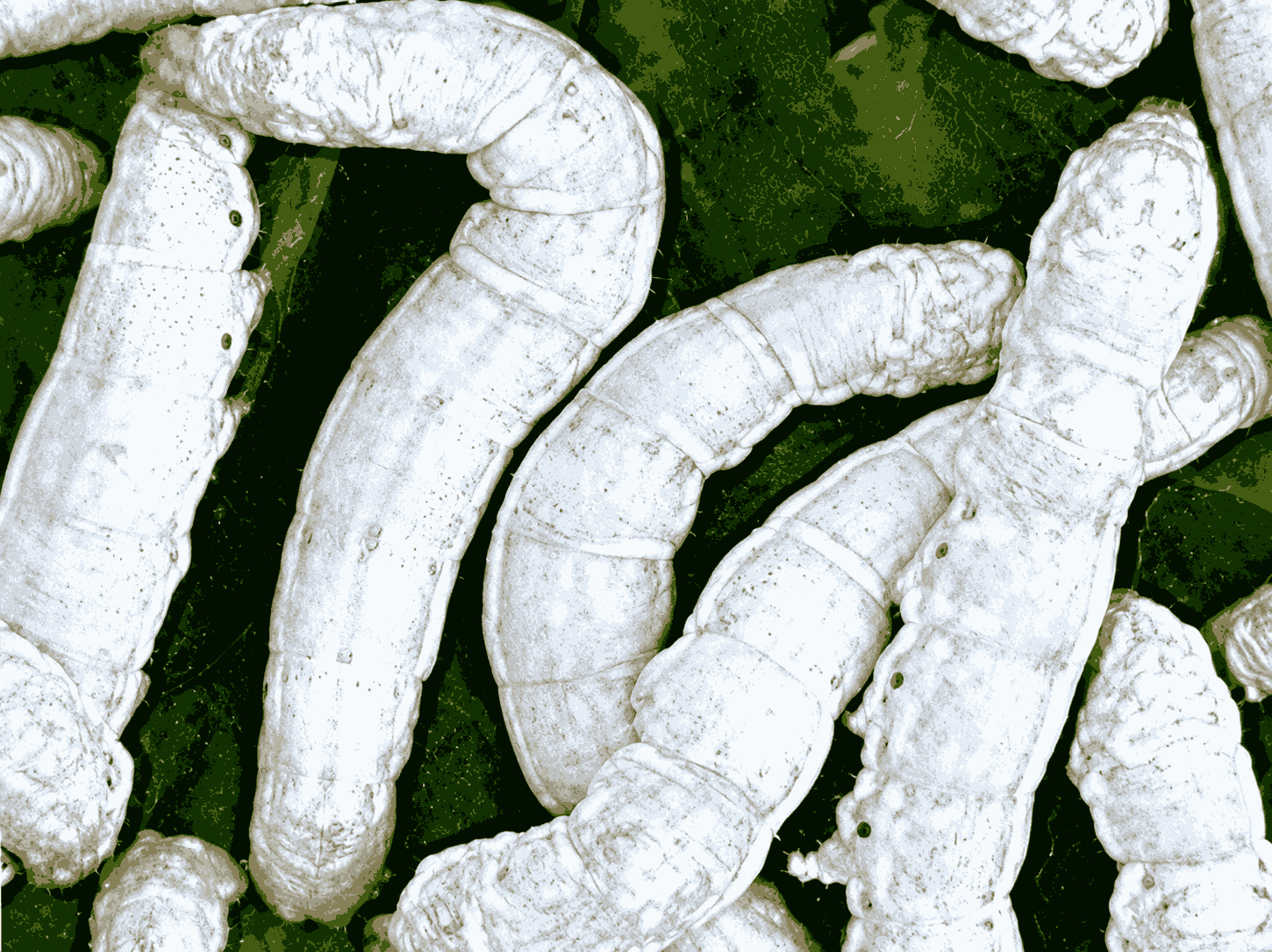
Host Plant : Mulberry
Distribution : Throughout the State except Howrah, Hooghly & East Midnapore
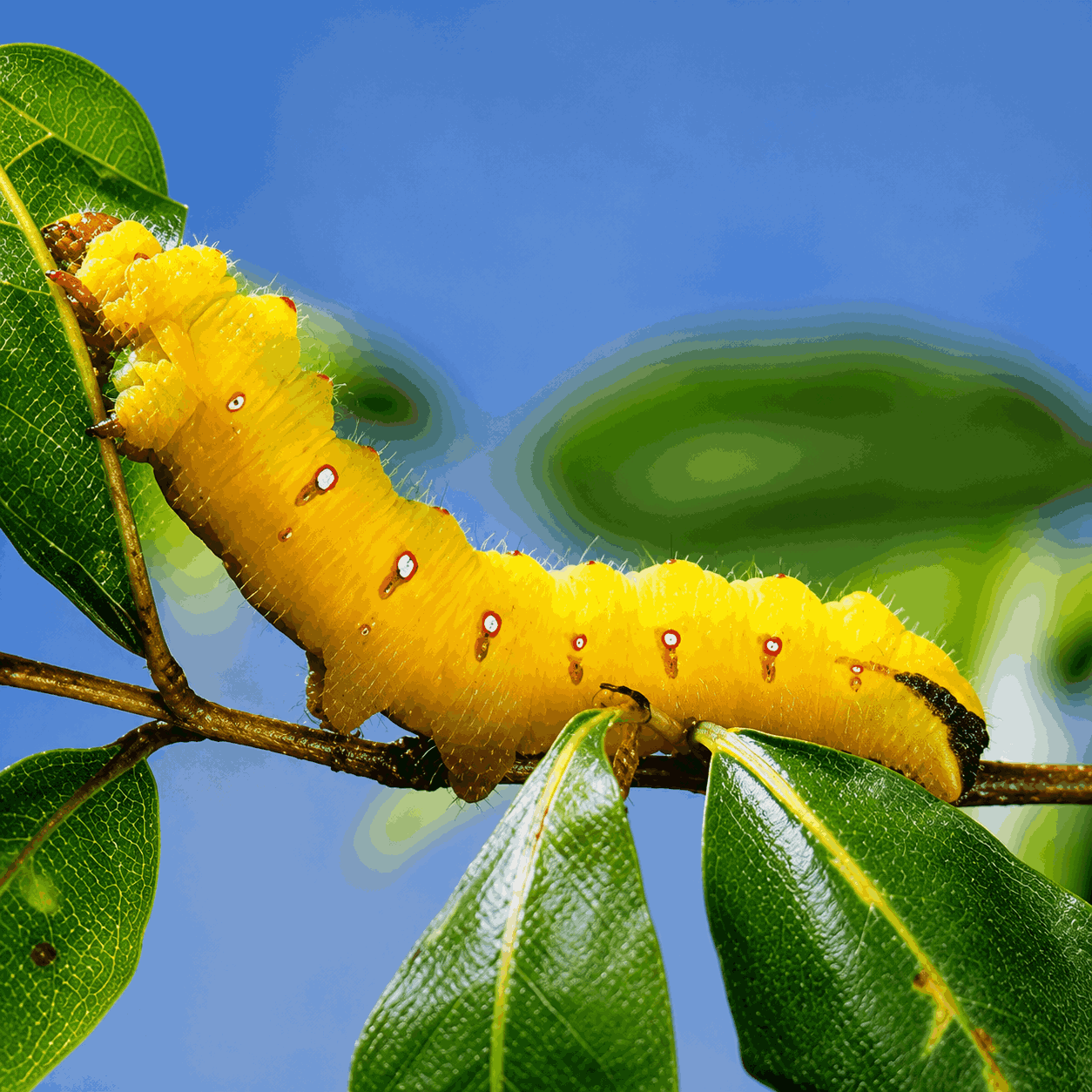
Host Plant : Arjun, Asan, Sal
Distribution : Bankura, Purulia, Birbhum, Jhargram, Paschim Midnapore & Part of Burdwan.

Host Plant : Castor
Distribution : Jalpaiguri, Dakshin Dinajpur, Alipurduar North & South 24 Parganas.

Host Plant : Som, Soalu
Distribution : Cooch Behar, Jalpaiguri, Kalimpong Darjeeling & Uttar Dinajpur
Key advantages of Sericulture in West Bengal
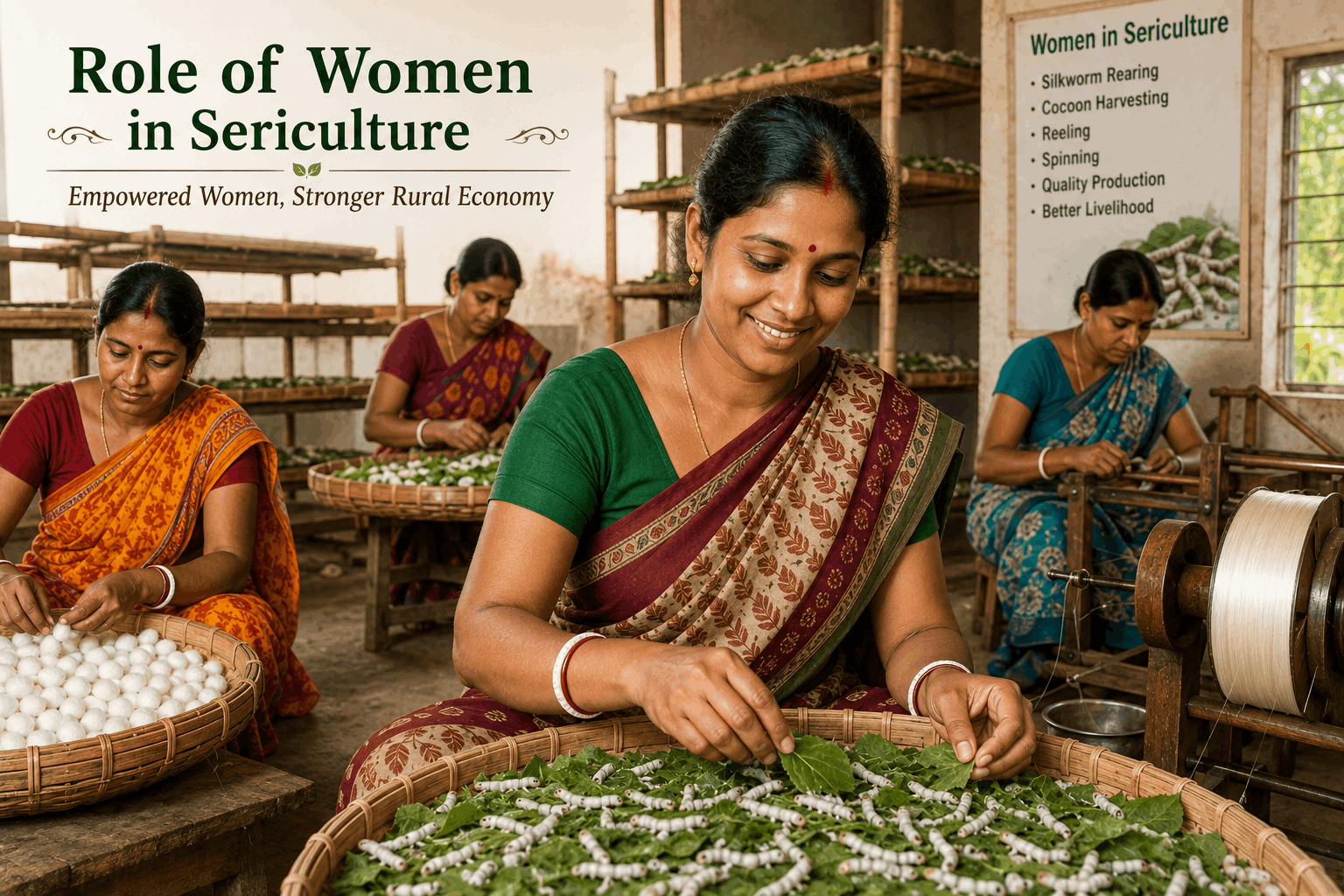
Sericulture has got some characteristic features which make it an ideal avocation for women.
It involves mostly indoor activities with less manual labour and flexible working hours.
Silkworm rearing needs motherly care, while reeling and spinning require nimble fingers.
Sericulture provides additional income to help run the family.
Evolution of Sericulture in West Bengal
Silk weaving industry in West Bengal was mainly concentrated in Murshidabad and adjoining areas of Birbhum. The silk fabrics became famous as Murshidabad Silk.
Mulberry Silk became an important rural industry. East India Company established a Silk Reeling Factory at Cossimbazar and started exporting Raw Silk.
More than one hundred filatures were operating. Around 400 tons of Raw Silk were exported.
Silkworm diseases and technological stagnation caused Bengal Silk to lose international markets.
Government of West Bengal created a separate Directorate to promote Sericulture in the year 1975.